A C-section, or cesarean delivery, is a surgical procedure used to deliver a baby through the abdomen. Unlike a vaginal birth—where the baby moves down through the birth canal—a C-section takes place in a controlled operating room setting. You’ll receive anesthesia (most commonly a spinal block), and initial recovery often takes a bit longer compared to vaginal delivery.
Before any surgical procedure, including a C-section, what and when you eat matters. Research shows that adequate nutrition before surgery can help stabilize blood sugar, reduce nausea, and promote better recovery. So your final meal before a C-section isn’t just about comfort. It can help your body prepare for anesthesia, maintain energy, and support healing in the hours after birth.
If that feels like a lot to think about, don’t worry. In this post, we’ll break down exactly what to eat before a C-section, plus what to avoid, how long to fast, and practical tips to help you feel confident and prepared. Let’s dive in.

What Is The Best Last Meal To Eat Before a C-section?
This post is designed to be practical, informative, and easy to follow. We’ll cover which foods can help prepare your body for surgery, the key nutrients that support healing, and what safe eating and drinking typically look like on the day of a planned C-section.As always, it’s essential to follow the specific instructions provided by your obstetrician, anesthesiologist, or surgical team. They know your medical history best.
This post is for general educational purposes and is not a substitute for personalized medical advice.
Can You Eat Before A C-Section?
Many people wonder whether they can eat before a C-section. The short answer: it depends. Most obstetric and anesthesia guidelines recommend stopping solid foods several hours before a scheduled C-section. In many cases, you may continue drinking clear liquids, such as water, clear juice, or electrolyte drinks, until about two hours before surgery, unless your doctor gives different instructions.
These precautions help reduce the risk of complications during anesthesia, including nausea or aspiration. Because pregnancy naturally slows gastric emptying, having undigested food in the stomach at the time of surgery can increase these risks.
Your doctor or surgical team will provide you with the exact timing and instructions for your procedure, as individual recommendations may vary. Following their guidance will help you safely prepare for a C-section and ensure the smoothest possible experience in the operating room.
What Happens If You Eat Before A C-Section?
Eating too close to a C-section can create a few challenges. When there’s solid food still in your stomach, it can increase the chance of nausea or vomiting during anesthesia and, rarely, food entering the airway. Even though most C-sections use a spinal block rather than general anesthesia, these precautions are standard to help keep you as safe and comfortable as possible.
If you’ve eaten outside the recommended window, your care team may need to adjust the timing of your surgery or monitor you a bit more closely. It’s not about getting in "trouble", just making sure everything goes smoothly.
Following the eating and drinking guidelines your doctor gives you helps reduce any avoidable risks. And of course, the goal is for you to recover well and get home with your baby as soon as you’re ready.
What To Eat Before A C-Section
When planning your last meal before a C-section, aim for foods that are easy to digest, provide steady energy, and support your body’s healing. Light, balanced meals and snacks are best because they nourish you without sitting heavily in your stomach.
Below are some of the best options for the hours leading up to surgery:
Banana
Bananas are gentle on the digestive system and rich in potassium, an electrolyte that supports muscle function, fluid balance, and nerve signaling. This can be especially helpful before surgery, when hydration and stable electrolytes matter.
One banana makes a great pre-surgery snack. If you need something more substantial earlier in the day, you can pair it with Greek yogurt or hard-boiled eggs,
Smoothies
A small smoothie made with fruit and yogurt is hydrating, nutrient-dense, and easy to tolerate. Including a bit of protein powder or nut butter adds amino acids that support tissue repair and blood sugar stability. Smaller amounts are usually better as you get closer to your C-section. (And yes, I have pregnancy-friendly smoothie recipes that are perfect for this! Plus, tons more in the app.)Oatmeal
Oatmeal is a slow-digesting carbohydrate that provides some non-heme iron, fiber, magnesium, and B vitamins. These are nutrients that support energy and healthy red blood cell production (important heading into surgery). A small bowl with your choice of toppings is ideal if your procedure is later in the morning or early afternoon. It’s filling and comforting.Clear Broth
Clear broth is one of the easiest options to tolerate as you get closer to your C-section. It offers fluid, electrolytes, and warmth without taxing your digestion. The sodium helps maintain hydration, and a small cup can keep hunger at bay without overloading your stomach.Whole-Grain Toast
A slice of whole-grain toast provides complex carbohydrates for steady energy. Adding a thin layer of nut butter offers healthy fats and a tiny bit of protein. This combination is widely tolerated and doesn’t feel too heavy. Perfect for your final meal a few hours before surgery.
Yogurt
Yogurt packs protein for tissue repair plus probiotics for gut health. Both are useful before surgery. A small serving can help stabilize blood sugar. Choose plain, unsweetened yogurt to avoid added sugars. Greek yogurt is the highest in protein.
If you’re curious, I also have a post that breaks down “Why Is Yogurt Good for Pregnancy?”
Eggs
Eggs provide high-quality protein, choline, B vitamins, and other nutrients that support healing and recovery. Soft-cooked eggs (like scrambled or poached) are typically easiest to digest. They’re a simple, nutrient-dense way to fuel up without overwhelming your stomach.You can learn more in my post, “How to Eat Eggs During Pregnancy.”
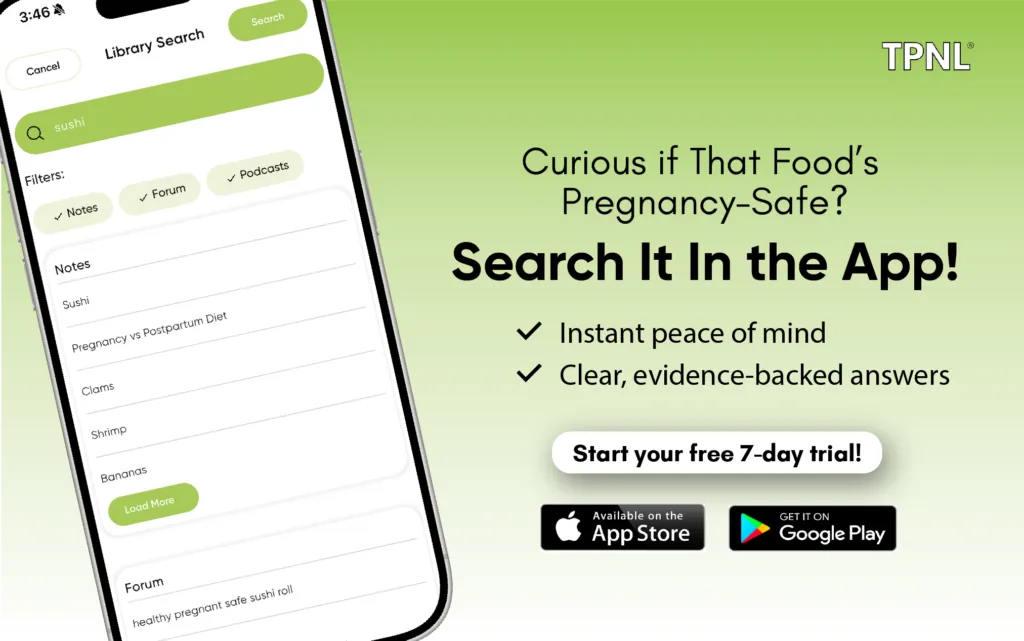
Feel confident in your preconception, pregnancy, and postpartum nutrition with The Prenatal Nutrition Library App!
Beyond just the hours leading up to surgery, you can support your body weeks before a planned C-section if you know your delivery date in advance. Prioritize high-quality protein, nutrients that support glutathione production (your body’s master antioxidant), a variety of B vitamins, and plenty of minerals to strengthen recovery, immune function, and tissue healing.
Even with great overall nutrition, your last meal before surgery still matters. Think small portions, easy-to-digest foods, and steady hydration. Choosing from the foods listed above helps provide energy without weighing down your digestion.
Following these gentle, evidence-aligned tips can help your body prepare for surgery. Every birth is unique, so always check with your doctor or surgical team for personalized guidance and follow their recommendations.
Also, read my guide "Food To Eat After C-Section" for a round-up of comforting foods perfect for post-C-section delivery.
For more guidance on eating confidently throughout pregnancy, visit The Prenatal Nutritionist blog or sign up for The Prenatal Nutrition Library app. Get started for FREE!
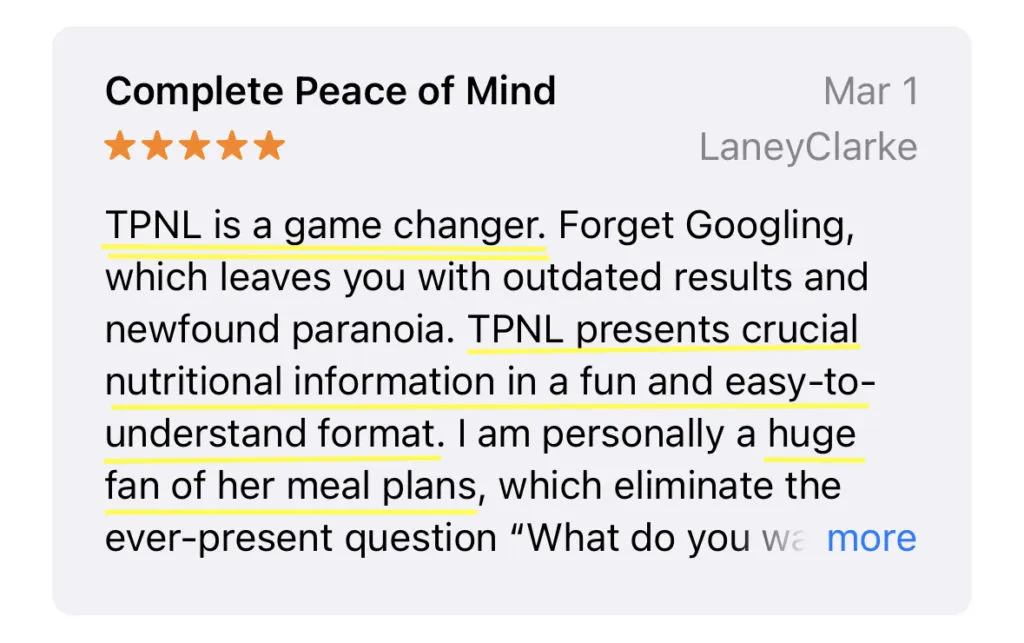
Inside the app, you'll find tons of recipes designed for postpartum recovery, a custom weekly meal plan, and the postpartum and lactation learning hubs for help with top healing foods, supplements, breastfeeding troubleshooting, nutrition for your mood, how to decrease brain fog, and more!
Still have questions about what to eat and when?
You may find these helpful:

Ryann Kipping
Licensed Dietitian & Founder of The Prenatal Nutrition Library
Prenatal dietitian with a Master's in Public Health and author of The Feel-Good Pregnancy Cookbook. Founder of The Prenatal Nutrition Library App.

Make pregnancy nutrition simple.
Get custom meal plans, 600+ dietitian-approved recipes, and our "Can I eat…?" search—plus, trimester-by-trimester nutrition priorities and more.