The postpartum period brings many changes—mental, emotional, and physical. After growing a tiny human for many months, your body begins to adjust to a whole new normal. While some changes are expected, others can catch new moms off guard. Postpartum hair loss is one of these things.
If you’ve noticed extra strands in your brush or shower drain, you’re not alone. It's estimated that over 90% of women experience some degree of postpartum hair loss. And while it’s very common, it can feel unsettling, especially for first-time moms.
While it's impossible to control for some of the major contributing factors that lead to postpartum hair loss, some nutrients and other health factors can mitigate the extent of your loss.
We'll explore these factors in today's post!
5 Postpartum Hair Loss Home Remedies
Postpartum hair loss is the excessive hair shedding that many women experience after giving birth. Normal postpartum hormonal changes are the primary driver of hair loss. Nutrient deficiencies and thyroid health may also play a role.The good news? Your hair typically will grow back! There are also some things we can do to help support hair health.
What Is Postpartum Hair Loss?
Postpartum hair loss, medically referred to as telogen effluvium, is a very common experience after having a baby. During pregnancy, high estrogen levels keep more hair follicles in the growth (anagen) phase, which is why many women notice thicker, fuller, and shinier hair with less shedding.
After delivery, estrogen levels drop rapidly. This hormonal shift triggers a larger number of hair follicles to enter the resting (telogen) phase simultaneously. As those hairs reach the end of their resting period, they shed, which is why postpartum hair loss typically becomes noticeable around 2–4 months after giving birth.
For most, hair shedding peaks between 4–6 months postpartum and gradually improves from there. The good news is that postpartum hair loss is temporary. In the majority of cases, the hair growth cycle returns to its pre-pregnancy pattern within 6–12 months after birth.
If shedding is severe, persists beyond a year, or is accompanied by other symptoms such as fatigue, weight changes, or dry skin, it may be worth checking with your healthcare provider. Sometimes, prolonged hair loss can be linked to factors like thyroid dysfunction (common postpartum) or nutrient deficiencies, such as iron or vitamin D.
What Causes Postpartum Hair Loss?
Several factors can influence how much hair you lose postpartum and how long it lasts, including:- Hormonal shifts: The sharp drop in estrogen after childbirth is the primary trigger for increased shedding.
- Genetics: Some women are naturally more prone to postpartum shedding based on family history and individual hair growth cycles.
- Stress (physical + emotional): Childbirth, recovery, and the demands of caring for a newborn can contribute to physical and emotional stress, which may impact the hair growth cycle.
- Thyroid changes: Postpartum thyroiditis can develop in the first year after birth and may contribute to increased hair loss for some.
- Nutrient status: Pregnancy, postpartum recovery, and breastfeeding increase nutrient needs. Low levels of nutrients that support hair health, such as iron, vitamin D, zinc, and protein, may contribute to prolonged shedding.
- Sleep deprivation: A very common part of early motherhood, but lack of quality sleep can affect overall healing, hormone balance, and hair growth.
What Are Home Remedies For Postpartum Hair Loss?
While postpartum hair shedding is normal and typically resolves on its own, there are supportive steps you can take to nourish hair growth, protect your strands, and support overall postpartum recovery.Here are home remedies for postpartum hair loss. Think of these as gentle, supportive tools, not quick fixes.
Prioritize Nutritious, Protein-Rich Meals
Postpartum is a time of healing, hormone shifts, and increased nutrient needs, especially if you’re breastfeeding. Since hair is made mostly of protein (keratin), meeting your protein needs can support healthy hair growth. A nourishing postpartum diet helps support overall health, including hair health.
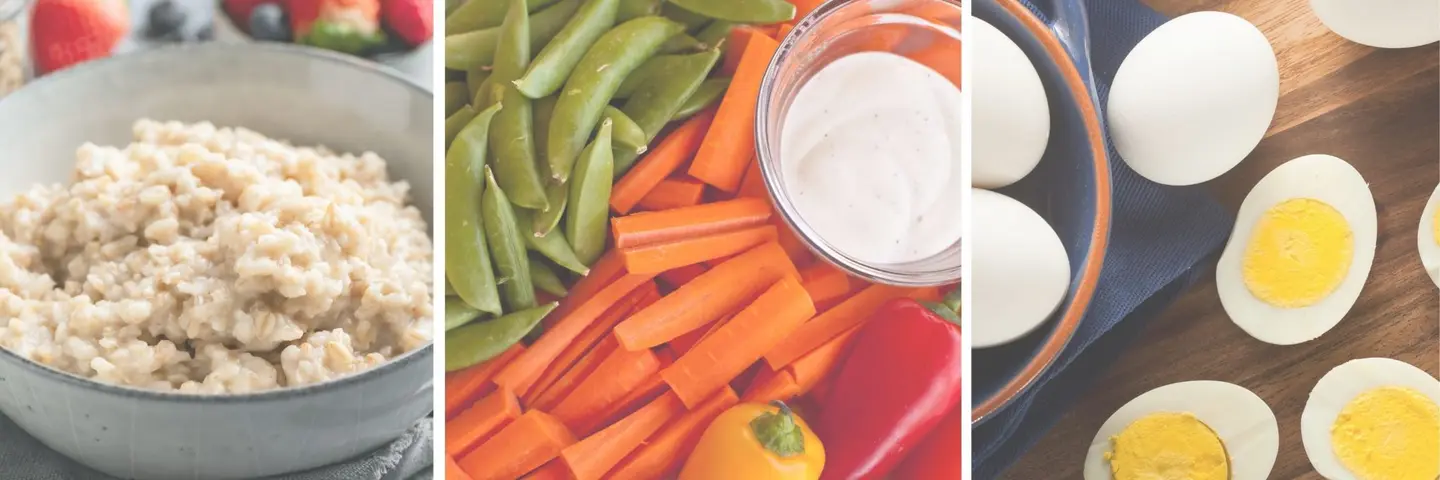
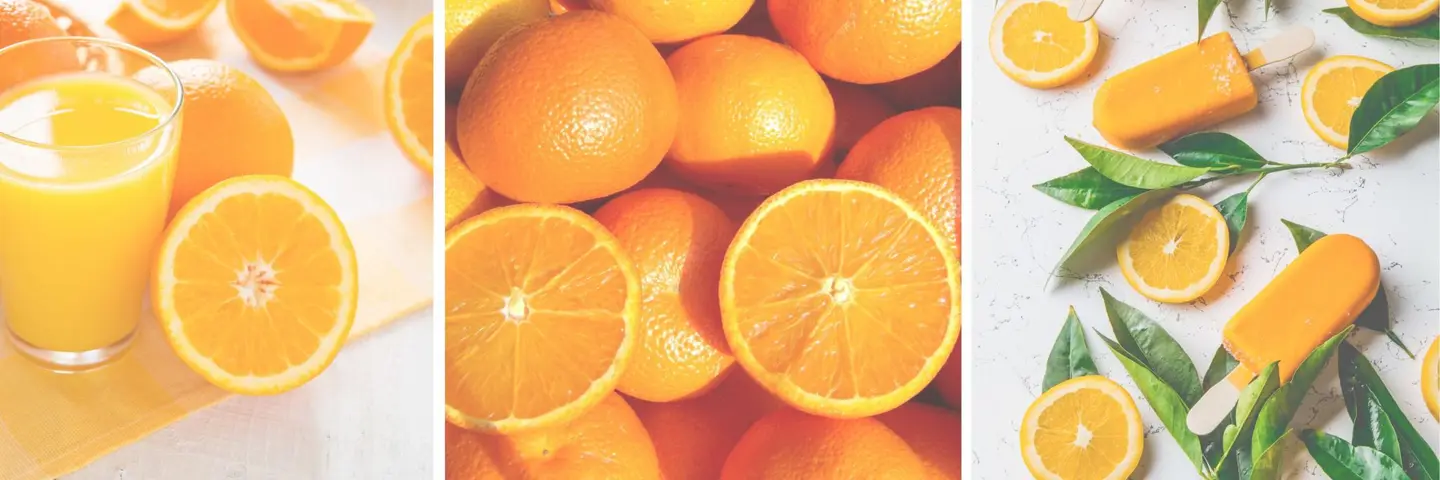
Aim to include protein at most meals and snacks, such as eggs, Greek yogurt, meat, poultry, fish, legumes, or quality protein powders when needed. Pair this with foods rich in iron, zinc, omega-3s, vitamin D, vitamin C, and B-vitamins, which all play roles in hair and skin health.
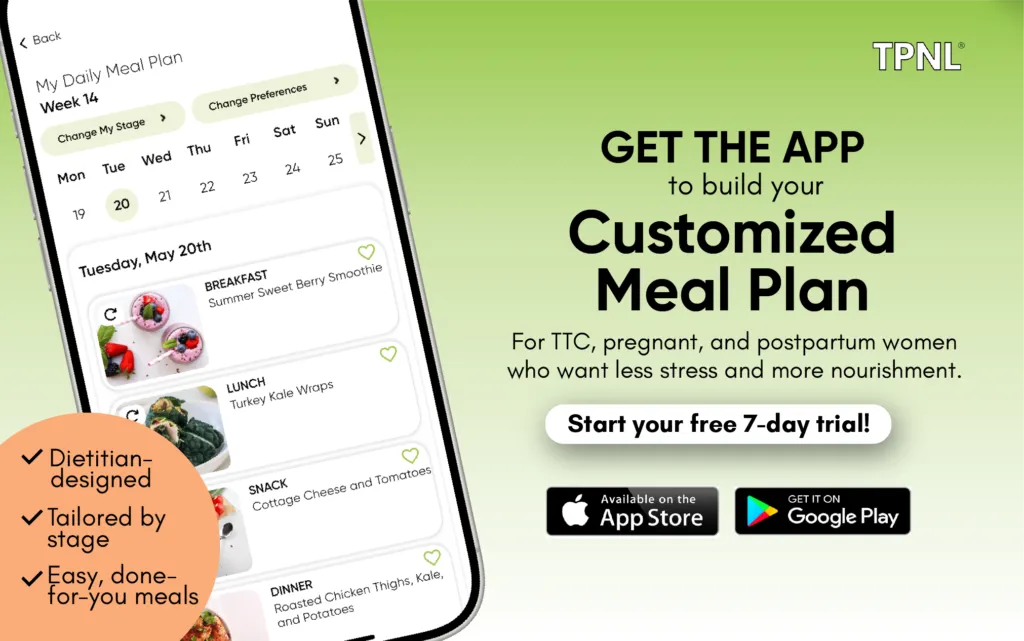
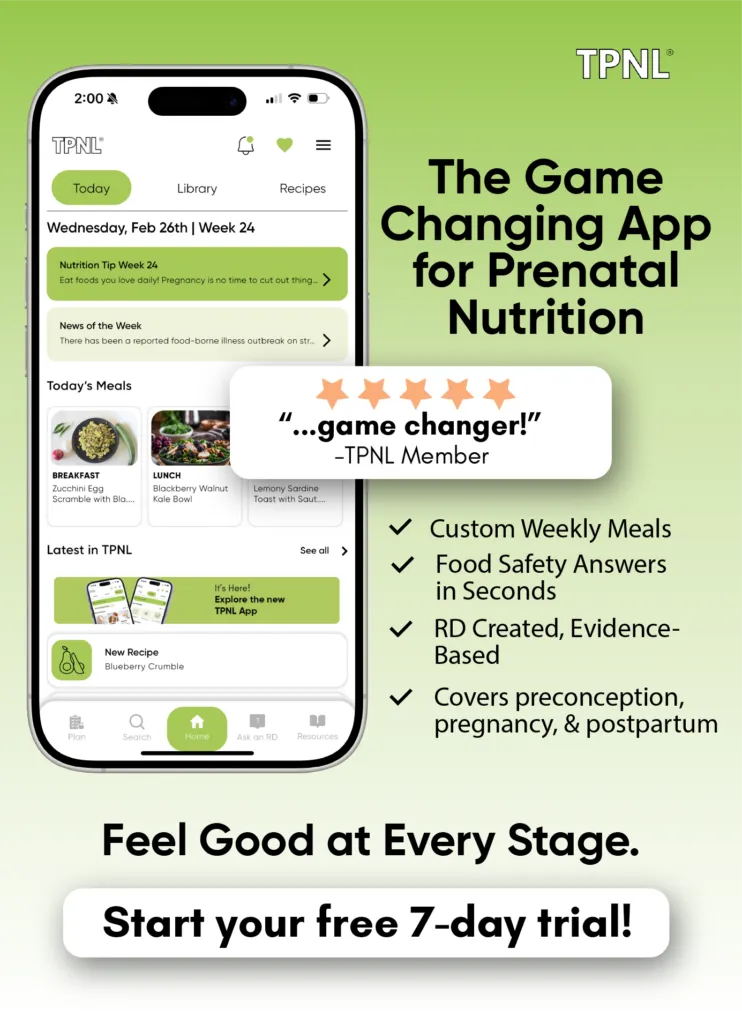
If you’d like easy, postpartum-friendly meal ideas, check out my blog, "Easy Postpartum Meals," for simple, nourishing meals that are freezer-friendly and balanced. Many moms also love using The Prenatal Nutrition Library App for evidence-based guidance, actionable support, an on-the-go pregnancy food checker, customizable meal plans, and weekly nutrition tips.
Download the app to start your 7-DAY FREE TRIAL.
Manage Stress Levels
Stress can influence the hair growth cycle, and although it’s nearly unavoidable with a newborn, small, doable habits can help.
Give some of these a try:
- Short walks or time in fresh air
- Mindful breathing or quick grounding routines
- A 5-minute stretch or gentle postpartum yoga flow
- Accepting help, delegating, or simplifying where possible
Even tiny pockets of nervous system regulation can support hormone balance and overall recovery.
Scalp Massage to Support Circulation
Scalp massage appears to support thicker-looking hair over time by increasing blood flow to the scalp. You can use a few drops of oil if you enjoy it (such as jojoba or coconut oil for scalp hydration), but the real benefit is the massage:
- Use your fingertips or a scalp massager
- 5–10 minutes, a few times per week
- Gentle circular motions across the scalp
Think of this as self-care that feels good and may support hair health.
Prioritize Rest and Postpartum Recovery
Quality sleep supports hormone balance and healing, which, in turn, affects hair. Rest is limited with a newborn, but little things like trading nighttime shifts with a partner when possible, napping when your body needs it, and keeping meals consistent can help your body recover.
Keep Up With Your Prenatal or Postnatal Vitamin
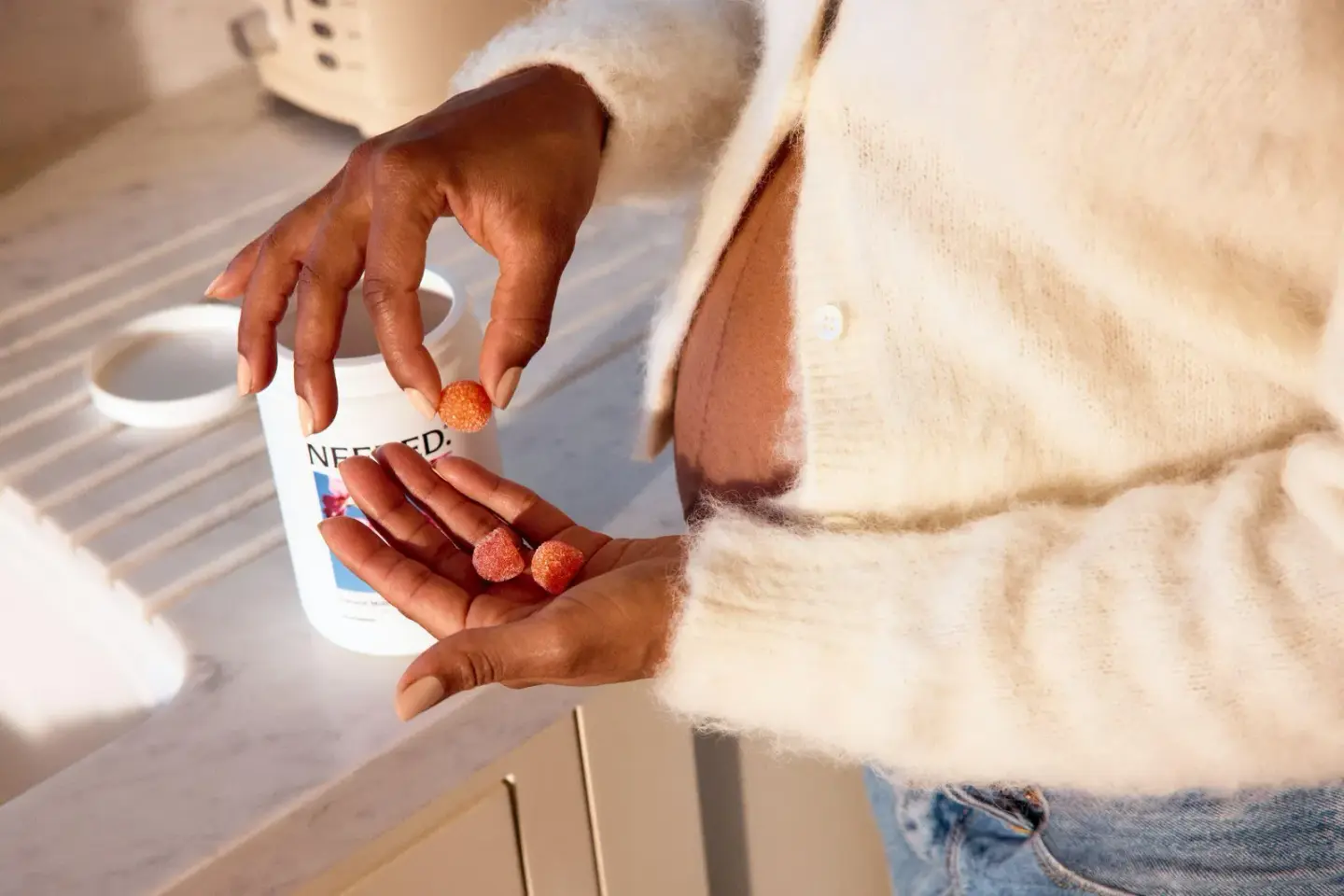
Your body uses a significant amount of nutrients during pregnancy, birth, and breastfeeding, and it takes time to rebuild those stores. Continuing your prenatal vitamin for at least 6–12 months after delivery can help replenish nutrients, support hormone balance, and support overall recovery.
Maintaining and replenishing key vitamins and minerals helps your body stay supported during the postpartum transition, which may also benefit hair health as your growth cycle resets.
Be Gentle with Your Hair
Your hair may be more fragile during the shedding phase, so choose gentle care where you can. Opt for a mild, sulfate-free shampoo and conditioner, minimize heat styling, and avoid tight hairstyles that pull on the hair. A silk or satin pillowcase can reduce friction and breakage during the night.
Support Your Body’s Mineral and Hormone Balance
Hormonal shifts largely drive postpartum shedding, but your mineral status and stress response can influence how long it lasts and how quickly your hair recovers. Many postpartum women find it helpful to delve deeper into mineral balance.
Hair Tissue Mineral Analysis (HTMA) can provide insight into stress-related mineral shifts, adrenal patterns, and mineral ratios that affect hair, energy, and postpartum recovery. Working with a practitioner trained in HTMA can help you understand your individual patterns and support your body more intentionally during this season.
Members of The Prenatal Nutrition Library app have access to affordable HTMA packages!
Most postpartum hair loss peaks around 4–6 months and resolves by 6–12 months. If shedding is severe, persists beyond a year, or is accompanied by symptoms such as low energy, cold intolerance, or mood changes, speak with your provider. Thyroid issues or low iron can mimic postpartum shedding and may need treatment.
Noticing extra hair strands in your brush or shower drain? You're not alone!
Postpartum hair loss is common during your body’s recovery journey. While you can’t stop it completely, understanding what’s happening helps you care for your hair (and yourself) with more patience and compassion.With the tips above, you can support hair health and nourish your body as it heals. Give yourself grace. Your body is doing incredible work. Your hair will find its way back to balance.
And if you want evidence-based guidance to support your postpartum nutrition, healing, and overall well-being, The Prenatal Nutrition Library App is for you! You can join today and get instant access to expert resources that make nourishing this season feel simpler and more supported.

Ryann Kipping
Licensed Dietitian & Founder of The Prenatal Nutrition Library
Prenatal dietitian with a Master's in Public Health and author of The Feel-Good Pregnancy Cookbook. Founder of The Prenatal Nutrition Library App.

Make pregnancy nutrition simple.
Get custom meal plans, 600+ dietitian-approved recipes, and our "Can I eat…?" search—plus, trimester-by-trimester nutrition priorities and more.